International Crane Foundation — Baraboo, Wisconsin

2




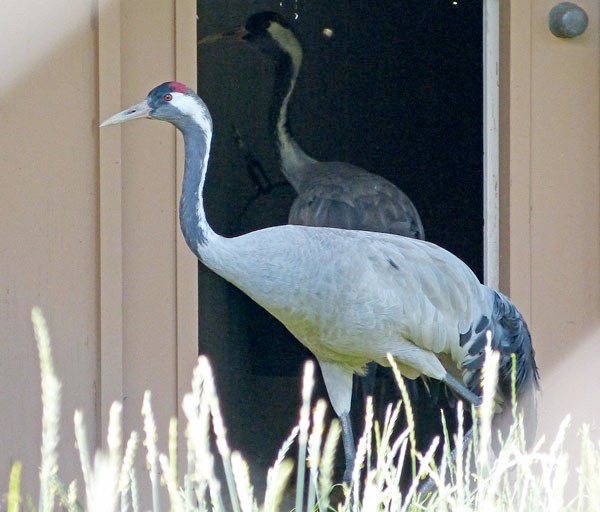
Also called the Common Crane, the
Eurasian Crane makes its home in
over 80 countries throughout much
of Europe, Asia, and Africa. These
highly adaptable cranes have found
a way to cope with the pressures of
an expanding human population.
Many of them use small wetlands
on human-altered landscapes and
depend on croplands for food. Their
numbers have rapidly increased in
Europe, and in some areas the crop
damage they cause creates conflict
between farmers and cranes—one
of the tensions that the ICF is
working to alleviate.
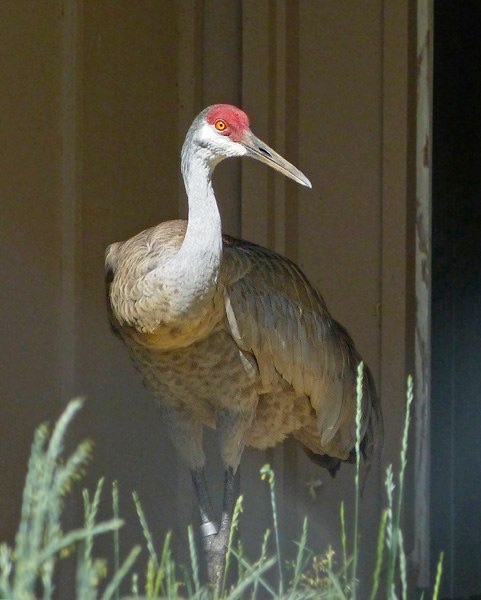
The Sandhill Crane. I see these cranes flying over
my home in Tennessee in great flocks during
their migration twice a year. Thousands of them
winter-over at Tennessee’s Hiwassee Refuge.
In Wisconsin the Sandhill population declined
sharply in the 1930’s, due to the sudden loss of
many of Wisconsin’s wetlands. With effective
wetland protection, cranes have been able to
adapt to the altered landscape. Sandhills have
come to recognize agricultural fields as an easy
source of food, and the abundance of these fields
helps support the thousands of breeding pairs
that nest in Wisconsin today.
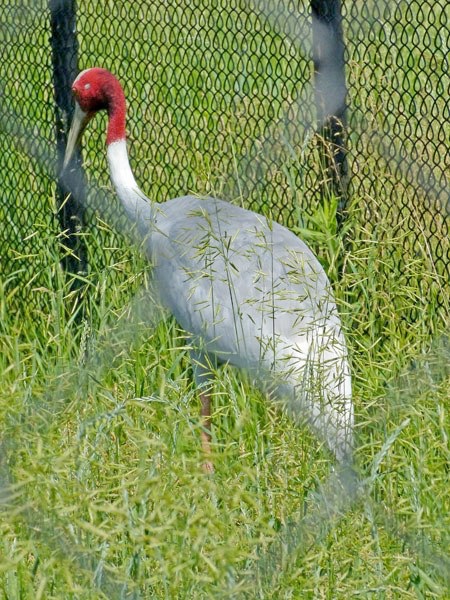
Sarus Cranes are mostly non-migratory, but often
make short, seasonal movements between dry and
wet season habitats in Southeast Asia, India, and
Australia. Throughout their range, Sarus Cranes
utilize wetlands, floodplains, human-altered
ponds, cultivated fields and rice paddies.
Despite these potential conflicts for resources,
some cranes receive protection from people due to
cultural beliefs. Sarus Cranes in India are revered
as sacred birds and live peacefully alongside local
people. Farmers respectfully cultivate their lands
while ensuring the safety of the cranes.
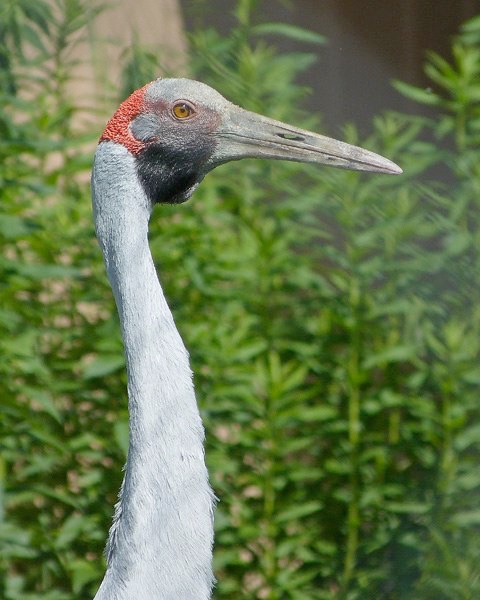
The Brolga Crane is unique among cranes
because of its many adaptations to the
diverse and challenging conditions found
in Australia. This species has evolved the
ability to excrete excess salt from a gland
near its eye, allowing it to thrive in
Australia’s coastal and brackish marshes.